

Top 4 Areas of Focus and Expectations for 2026
A sharp divide is emerging in 2026: growth accelerating in some regions, stalling in others, credit under pressure, and geopolitics driving extreme outcomes. These four forces will shape every portfolio decision ahead.

Impact of Human Factors on Cybersecurity
Human factors are the primary source of cybersecurity vulnerabilities, with human errors, such as miscalculations, contributing to over 80% of cyber incidents, data breaches, and malware attacks (Triplett, 2022). Leaders often treat breaches as technological issues, neglecting managerial and behavioral aspects, which leads to insufficient training, poor policy enforcement, and inadequate awareness (Hadlington, 2018).

The Role of Strategy in Driving AI/ML Project Success and Avoiding Failure
Artificial Intelligence (AI) and Machine Learning (ML) projects have transformative potential, offering companies opportunities to enhance productivity, reduce costs, and drive revenue growth. However, the success of these projects hinges not on the technology itself but on the strategic framework guiding its implementation. Technology is a tool, not a strategy; it amplifies well-defined business objectives but fails when deployed without clear alignment to organizational goals, robust data, or ethical considerations.
Cyber Security Challenges in the Current Computing Environment
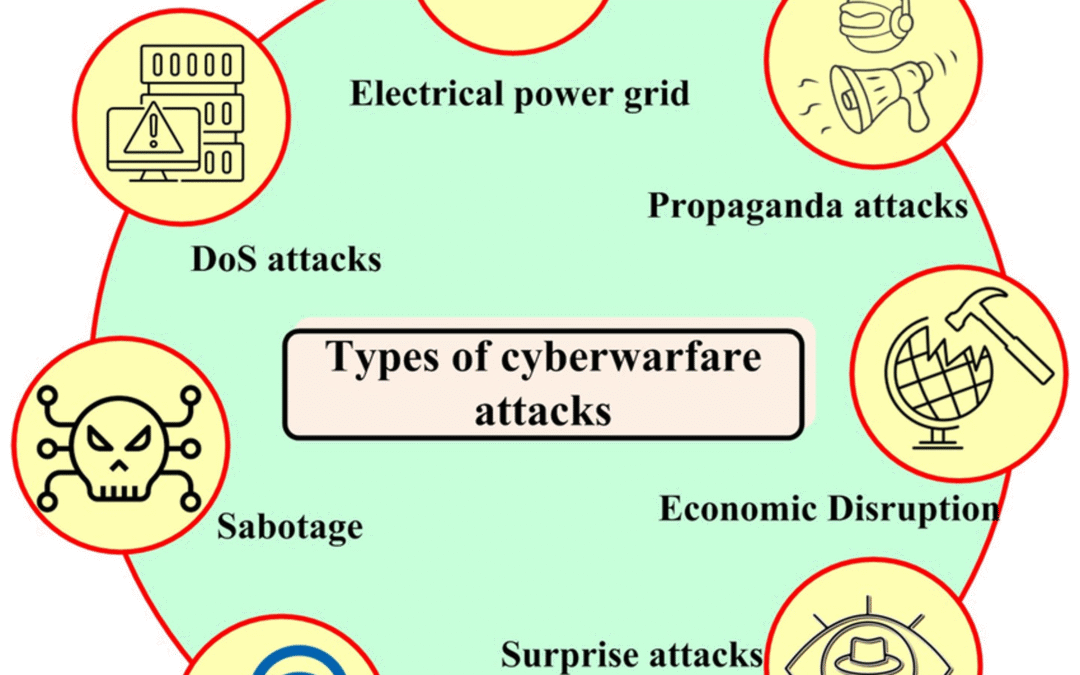
The rapid expansion of connected devices through the Internet of Things (IoT) has revolutionized modern society, integrating technology into daily life and critical infrastructure. However, this interconnectedness introduces profound challenges, including cybersecurity vulnerabilities, ethical dilemmas in cyberwar, and the spread of misinformation on digital platforms. Cyber-attacks, such as NotPetya, demonstrate the potential to disrupt economies and societies, while state-sponsored operations like Stuxnet and Pegasus highlight the murky ethics of unrestricted digital warfare.

The New Future: Knowledge-based Economy Overtaking Platform-based Economy
The global economy is transforming, with the knowledge-based economy (KBE) emerging as a dominant force, potentially surpassing the platform-based economy (PBE). KBEs prioritize intellectual capital, innovation, and specialized skills, driven by technological advancements and data analytics. In contrast, PBEs rely on digital platforms to facilitate transactions and network effects, as seen in companies like Amazon and Uber.
AI in the Digital Age: Transforming Employment Through Innovation and Opportunity
In the digital age, artificial intelligence (AI) is transforming employment by enhancing efficiency and redefining work, not eliminating jobs. AI excels in tasks like protein mapping, X-ray analysis, and stock trading, augmenting human expertise rather than replacing it.

Impact of AI Technology on Society and Economy
Artificial Intelligence (AI) is a transformative force reshaping society and the economy in unprecedented ways. As a General Purpose Technology (GPT), AI integrates with computing, energy, and data systems, driving exponential advancements across industries

U.S. tariffs: Protecting Industries or Raising Prices?
Tariffs, taxes imposed on imported goods, have been a cornerstone of U.S. trade policy, particularly under recent administrations. Their resurgence, notably during the Trump administration’s trade wars and continued under Biden, aims to protect domestic industries, address trade imbalances, and bolster national security. However, tariffs spark debate over their economic efficacy and broader societal impacts. While proponents argue they shield local jobs and industries, critics highlight increased consumer prices and strained global trade relations. This article explores the multifaceted effects of U.S. tariffs
Digital Agriculture Can Boost Economies of Low, Middle-Income Countries
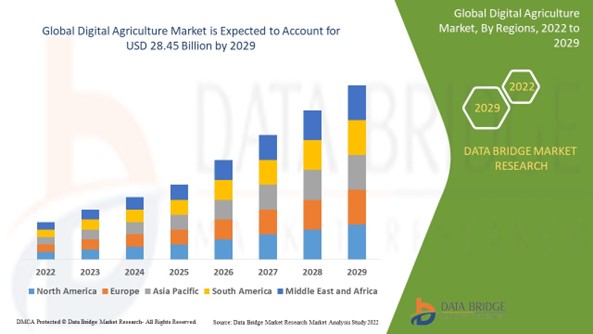
In recent years, the world has witnessed a dramatic shift towards digitization in various sectors, and agriculture is no exception. Digital agriculture, also known as smart farming or precision agriculture, involves the use of technology to optimize agricultural practices and improve productivity.

Key Digital Technologies Transforming U.S. Agriculture
Welcome to the era of digital agriculture, where cutting-edge technologies are revolutionizing the way, we grow our food and manage our farms. In recent years, the agricultural industry in the United States has seen a remarkable transformation in digital technologies.